
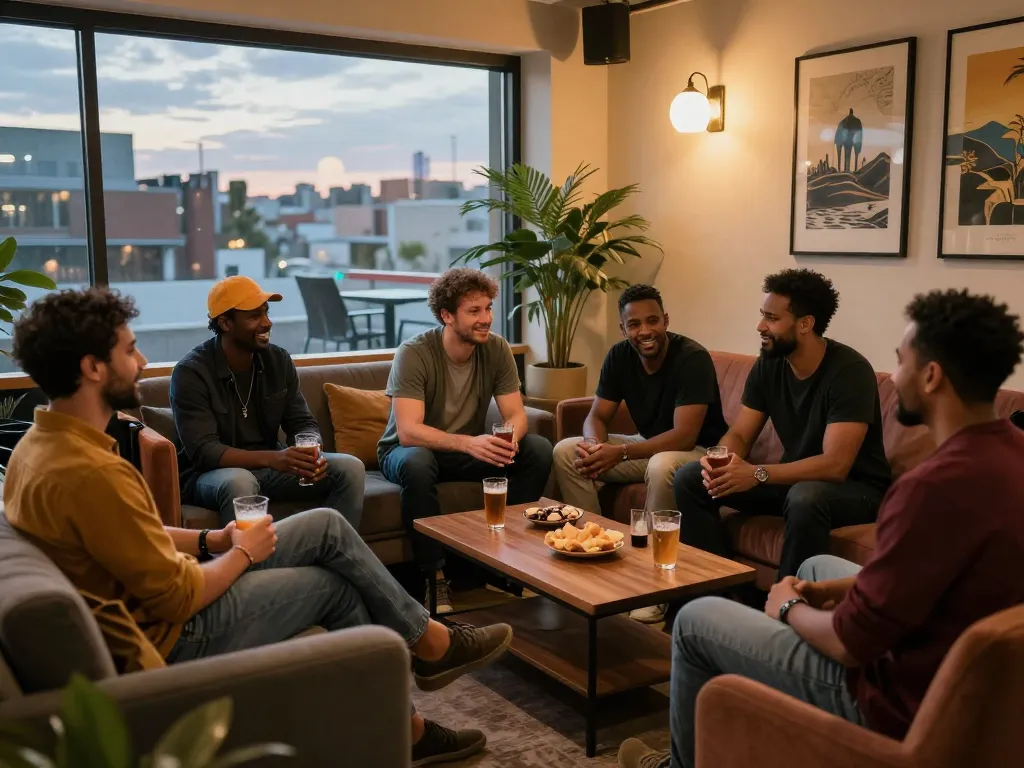
Understanding the Concept of a Man Club
The concept of a man club has evolved into various forms throughout history, serving as a space where men can connect, share experiences, and support one another. With increasing awareness of mental health and the importance of community, man clubs have found relevance in modern society. As we delve into what defines a man club, we will explore its historical roots, its differences compared to other social groups, and why men today are increasingly seeking these supportive environments.
What Defines a Man Club?
A man club is typically characterized by its aim to create a space that fosters camaraderie among men. These clubs can focus on various interests—from socializing and recreational activities to discussing personal challenges, sharing advice, and supporting mental health initiatives. At their core, man clubs serve as a refuge where men can be vulnerable without fear of judgment, breaking the often-stigmatized silence surrounding men’s mental health issues.
Historical Context and Evolution
The origin of man clubs can be traced back to gentlemen’s clubs in 18th-century London, where elite men would gather to socialize, conduct business, and discuss political matters. Over time, these clubs evolved into various forms, including social clubs for working men, which appeared in industrialized nations as a means of fostering social networks outside of work. Today, the evolution of man clubs reflects a larger societal shift towards mental health awareness and the need for supportive networks among men. Modern clubs may incorporate elements like educational workshops, fitness classes, or community service, extending far beyond traditional socializing.
Differences Between Men Clubs and Other Social Groups
- Purpose: While many social groups exist for leisure or entertainment, man clubs often focus on building emotional connections and fostering support networks.
- Inclusivity: Man clubs typically promote open dialogue regarding mental health, offering resources and support that may not be available in other social settings.
- Structure: Unlike casual meetups or clubs based purely on hobbies, man clubs often have structured discussions or scheduled support meetings aimed at addressing the needs of their members.
Benefits of Joining a Man Club
Joining a man club can yield significant benefits, not only in facilitating social connections but also in addressing mental health challenges and fostering personal growth. Understanding these benefits can motivate men to seek out and engage with these communities, ultimately leading to a healthier, more fulfilling life.
Building Connections and Friendships
One of the primary benefits of joining a man club is the opportunity to build true friendships. Participants in these clubs often share similar struggles, experiences, or interests, creating a solid foundation for meaningful relationships. Beyond casual acquaintances, these friendships can turn into robust support systems that extend beyond club meetings, significantly enhancing one’s social life.
Support and Mental Health Resources
Man clubs frequently provide access to resources for mental health support, including peer counseling, workshops, and guest speakers. By participating in such clubs, members can openly discuss their struggles, share coping strategies, and seek out professional help when needed. This culture of openness encourages men to prioritize their mental well-being and seek help without stigma.
Networking Opportunities and Career Growth
In addition to cultivating friendships, man clubs can also facilitate professional networking. Members often come from diverse professional backgrounds, allowing them to share insights, advice, and opportunities that can further career development. Engaging with a community of like-minded individuals can put members in touch with job leads, mentorship opportunities, and collaborative projects.
Creating an Inclusive Environment in Man Clubs
For man clubs to thrive, they must actively promote an inclusive environment that respects differences and encourages participation from all backgrounds. Creating this kind of atmosphere not only enriches the experience for members but also makes the club more inviting to new participants.
Encouraging Diverse Participation
Encouraging diversity within man clubs can broaden perspectives and foster richer discussions. Clubs should actively seek members of various ages, racial or ethnic backgrounds, and socioeconomic statuses. This diversity can create a more welcoming environment and help break down stereotypes about masculinity.
Respecting Differences and Opinions
To maintain an inclusive atmosphere, man clubs must promote respect and understanding among members. Facilitating open discussions about differing opinions can prove valuable, as it allows members to explore various views while learning to appreciate the experiences of others. Setting ground rules for respectful dialogue can enhance trust and foster a supportive environment.
Strategies for Conflict Resolution
When conflicts arise within a group, the capacity for effective resolution is crucial. Training leaders and facilitators in conflict resolution techniques can equip them to handle challenges as they arise. Encouraging open dialogue and mediation can prevent misunderstandings from escalating and improve the overall dynamic within the club.
Activities and Events for Man Clubs
To keep members engaged, man clubs must offer diverse activities and events that cater to their interests and challenges. Organizing these events can enhance the overall experience and ensure that the club remains relevant to its members.
Organizing Social Gatherings and Meetups
Regular social gatherings can help strengthen relationships among members. Whether it’s hosting a casual barbecue, a game night, or an outdoor adventure, these events provide opportunities for team bonding and fun. Structured social meetups that integrate discussion topics can blend leisure with meaningful conversation.
Workshops and Learning Sessions
Educational activities like workshops can empower members with new skills, promote personal development, and address issues like stress management or effective communication. Inviting experts to lead sessions can add credibility and value to these events, giving participants practical tools to utilize in their lives.
Community Service and Philanthropy Initiatives
Community service projects provide man clubs with the chance to give back while enhancing team spirit. Working together on philanthropic initiatives can deepen bonds among members, cultivate a sense of shared purpose, and instill a greater understanding of social issues. These actions can also establish a positive reputation for the man club within the local community.
Future Trends for Man Clubs in 2026 and Beyond
As society continues to evolve, so will the dynamics of man clubs. Awareness of mental health and the need for supportive environments will shape the future of these organizations. Here are some emerging trends that will likely define man clubs in the coming years.
The Rise of Virtual Man Clubs
The shift towards online platforms has made it possible for man clubs to expand their reach beyond geographical limitations. Virtual clubs can provide members with a space to connect regardless of location, fostering an inclusive environment that allows participation from diverse backgrounds. This trend is particularly beneficial for individuals who may feel isolated or lack access to local support networks.
Innovative Approaches to Engagement
Clubs will increasingly explore creative methods to engage members through technology. This could include virtual reality social spaces, gamified workshops, or mobile apps that facilitate community building and resource sharing. Innovations like these can keep members excited and engaged, ensuring that man clubs remain relevant in the modern digital age.
Potential Challenges and Opportunities Ahead
While the future is promising, man clubs may also face challenges, including competition from other social platforms and the ongoing evolution of societal views on masculinity. Adapting to these changes and embracing opportunities for growth will be essential in maintaining member interest and support. Continuous feedback and adaptation will allow man clubs to remain vital spaces for men seeking connection and support.
What values do man clubs promote?
Man clubs generally promote values such as honesty, respect, vulnerability, and support. By fostering an environment that emphasizes these principles, clubs encourage deeper connections and healthier discussions among members.
Are man clubs only for older men?
No, man clubs are inclusive to all men, regardless of age. By welcoming younger members, clubs can benefit from diverse perspectives and encourage mentorship opportunities among various age groups.
How can I start my own man club?
Starting your own man club requires identifying a core purpose, defining membership criteria, and establishing a regular meeting schedule. Promoting your club through social media and local community groups can help attract interested individuals.
What activities are common in man clubs?
Common activities in man clubs include discussions on personal challenges, workshops, social gatherings, community service projects, and physical activities like sports. These activities promote engagement and strengthen the bonds among members.
How do man clubs support mental health?
Man clubs support mental health by providing a safe space for men to share their struggles, access resources, and receive peer support. Regular discussions, workshops, and mental health events help normalize conversations around emotional well-being.