
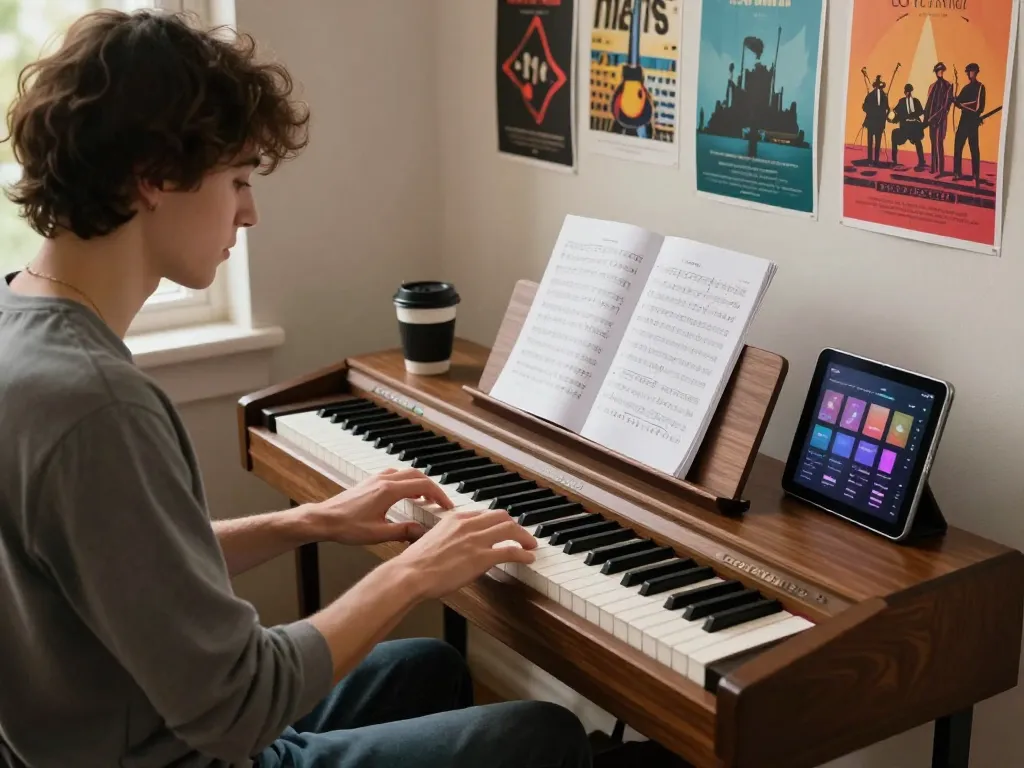
Understanding the GO 88 Digital Piano
The GO 88 digital piano is an innovative instrument that seamlessly blends technology and music, providing an exceptional playing experience for musicians of all levels. As digital pianos continue to evolve, the GO 88 stands out for its robust features, portability, and sound quality. Whether you're a novice looking to start your musical journey or an experienced player searching for a reliable companion, understanding the intricacies of the GO 88 can help you maximize your enjoyment and creativity. Exploring a platform like go 88 can further enhance your insights on this remarkable instrument.
What is the GO 88 and its Features?
The GO 88 is a digital piano crafted by Roland, known for its top-tier musical instruments. This model offers a full-size 88-note keyboard, which is ideal for players who want the authentic feel of an acoustic piano. One of the standout features is its Bluetooth connectivity, allowing users to connect their devices to access a plethora of music apps and resources. Furthermore, the GO 88 boasts a variety of onboard sounds, including acoustic piano, electric piano, strings, and more, making it versatile for different music styles.
- Portability: Lightweight design for easy transportation.
- Bluetooth Technology: Seamless connection to devices for learning and composition.
- Interactive Features: Built-in metronome and recording capabilities.
- Sound Variety: Over 60 instrument sounds and rhythms.
Benefits of Choosing the GO 88 for Beginners
For beginners, the GO 88 provides numerous advantages that simplify the learning process. The full-size keys help in developing proper finger technique from the start, while the weighted action emulates the feel of an acoustic piano. Additionally, the piano's built-in lesson modes deliver guided instruction, which is particularly beneficial for self-learners. The portability of the GO 88 also means beginners can practice anywhere, whether at home, in a classroom, or on the go.
Key Specifications and Sound Quality
Sound quality is paramount when choosing a digital piano, and the GO 88 does not disappoint. It features Roland's SuperNATURAL sound engine, which produces rich and dynamic tones. The responsive keys allow for expressive playing, making it suitable for genres from classical to pop. With a polyphony of 128 notes, players can perform complex pieces without encountering note drop-off, providing a more fulfilling performance experience.
Setting Up Your GO 88 for Success
Choosing the Right Space for Your Piano
Setting up your GO 88 in an appropriate environment can significantly enhance your playing experience. Select a space with minimal distractions, adequate lighting, and enough room for movement. Whether you place your piano in a dedicated music room or a corner of your living area, ensure that it is on a stable surface, as this can affect sound projection and your comfort while playing.
Essential Accessories for Your GO 88
To get the most out of your GO 88, consider investing in essential accessories. A sturdy piano stand will not only elevate your instrument but also provide stability during use. A comfortable bench is equally important, as it ensures proper posture while playing. Additional accessories like a sustain pedal, headphones, and a music stand will enhance your practice sessions, making them more enjoyable and productive.
Connecting to Music Apps and Software
One of the most exciting features of the GO 88 is its ability to connect to music learning apps and software via Bluetooth. Apps like Simply Piano or Flowkey offer interactive lessons tailored to your skill level. By integrating these applications, you can track your progress, learn new songs, and even receive feedback on your playing. This connectivity transforms your learning experience, making it more engaging and effective.
Effective Practice Techniques with the GO 88
Daily Practice Routines for Beginners
Consistency is key to mastering any musical instrument. Establishing a daily practice routine can dramatically improve your skills on the GO 88. Start with 10 to 15 minutes of warm-up exercises focusing on finger strength and agility. Gradually increase your practice time, incorporating scales, chord progressions, and pieces that challenge your current level. Setting specific goals for each practice session can help maintain motivation and track progress.
Utilizing Music Learning Apps
Incorporating music learning apps into your practice routine can provide structure and variety. These apps often come with tutorials, play-along tracks, and performance reviews. Use them to supplement your physical practice, ensuring you are not only playing but also learning music theory, sight-reading, and ear training. Engaging with these resources can accelerate your learning process, offering a multifaceted approach to mastering the GO 88.
Incorporating Fun Exercises into Your Practice
To keep your practice sessions enjoyable, incorporate fun exercises that break the monotony. Explore improvisation, where you create your own melodies over backing tracks, or challenge yourself to play along with your favorite songs. You can also set up friendly competitions with friends or fellow learners to motivate each other and share your progress.
Exploring Musical Styles with the GO 88
Diving into Classical Music on the GO 88
The GO 88 is a perfect instrument for exploring classical music due to its rich sound and dynamic range. Begin by learning basic classical pieces, gradually progressing to more complex compositions. Familiarize yourself with different styles within classical music, such as Baroque, Romantic, or Contemporary, by selecting pieces that resonate with you. This exploration not only builds your repertoire but also deepens your understanding of music as a form of expression.
Playing Modern Hits: Techniques and Tips
Switching to modern music can provide a refreshing contrast to classical pieces. The GO 88's diverse sound palette allows you to replicate popular hit songs with ease. Focus on learning chord progressions and melodies of contemporary tracks, experimenting with different genres such as pop, rock, or jazz. Utilize online tutorials or sheet music to enhance your playing, making sure to incorporate techniques that suit modern music styles.
Creating Your Own Compositions
Once you're comfortable with playing existing pieces, challenge yourself to create original compositions. Experiment with melodies, harmonies, and rhythms on the GO 88. Keeping a journal of your musical ideas can help organize your thoughts and inspire new creations. Sharing your compositions with others, whether through social media or local showcases, can provide valuable feedback and foster your growth as a composer.
Future Trends in Digital Piano Technology
Advancements to Expect in 2026 and Beyond
The digital piano landscape is constantly evolving, with new technologies enhancing the playing experience. In 2026, we can expect advancements such as improved sound sampling techniques, greater integration with cloud-based music services, and enhanced connectivity options. Features like AI-assisted learning tools may become commonplace, further personalizing the learning experience for musicians of all ages.
How the GO 88 Stays Relevant in a Changing Market
The GO 88 remains a contender in the competitive digital piano market due to its innovative features and adaptability. By consistently updating its software and sound libraries, Roland ensures that players have access to the latest technology and musical resources. As new competitors emerge, the GO 88's blend of quality, portability, and connectivity will help it retain its status as a favorite among musicians.
Preparing for the Next Generation of Music Learning
As we look toward the future of music education, digital pianos like the GO 88 will play a crucial role. The integration of augmented reality (AR) and virtual reality (VR) could revolutionize how students learn and interact with their instruments. Preparing for these trends means staying informed and adaptable, ensuring that both educators and students can take full advantage of technological advancements in music learning.